






 Map view
 Use current location


Your choices today may not be available tomorrow.
Explore your options today and be prepared for the future with 0% interest for up to 60 months.*
Ends October 31.
Need assistance? We're always here for you.
844-808-3310
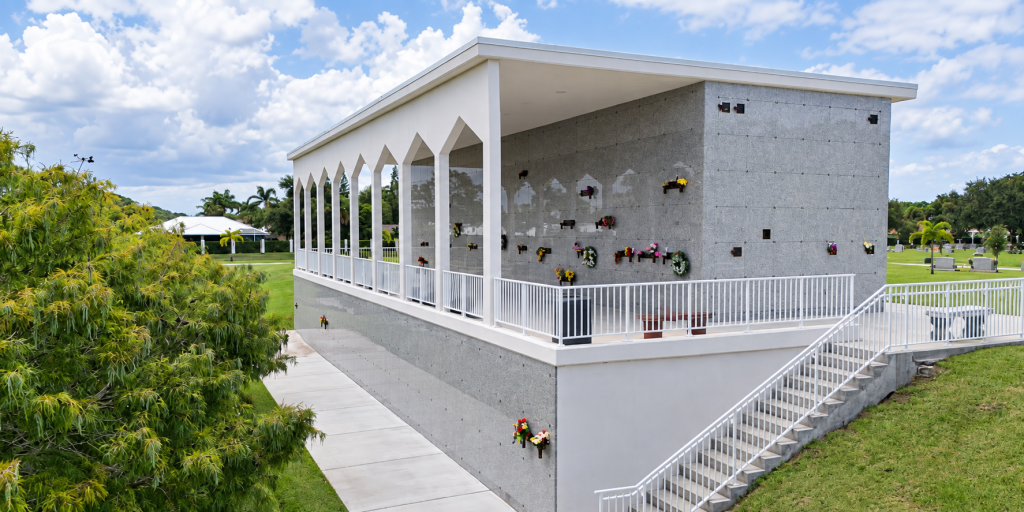
For thousands of years, families around the world have searched for meaningful ways to honor the lives of those they love. One of the most enduring and recognizable forms of remembrance is the mausoleum, a structure that tells a story not only of a life lived, but of a legacy preserved.
The word “mausoleum” comes from one of the most famous tombs in history: the Mausoleum at Halicarnassus. Built in the 4th century BCE for Mausolus, a ruler of Caria (modern-day Türkiye), this grand structure was one of the Seven Wonders of the Ancient World. Its scale, artistry, and symbolism were so powerful that its name became the term we use today for above-ground burial structures.
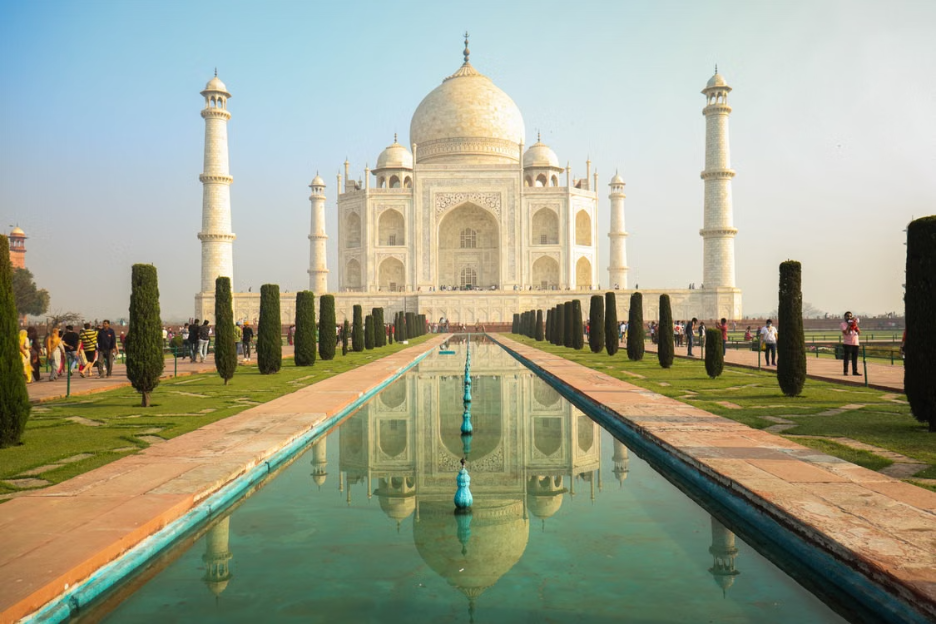
The Taj Mahal, perhaps the most recognized mausoleum in the world. | Agra, India | Source: Pexels
A symbol of remembrance across cultures
Many civilizations erected similar structures as a way to honor important figures. Naturally, because construction required a massive amount of resources and labor, in the past, mausoleums were reserved for major leaders, royalty, and influential families.
These are a few well-known examples around the world:
These ancient mausoleums were statements of legacy, love, prominence, and the desire to be remembered.
The evolution of entombment
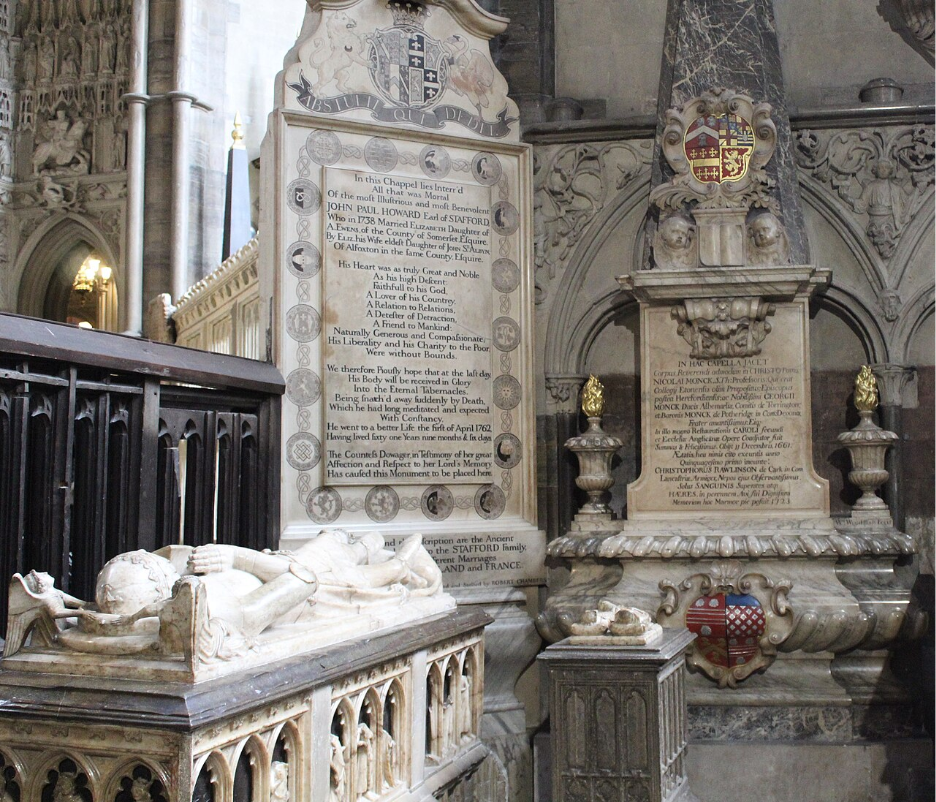
The crypt of a bishop, one of the 3,000 burials and entombments at Westminster Abbey. | London, England | Source: Wikipedia
When a body is interred above ground, rather than buried, it is known as entombment. While entombment was typically reserved for prominent figures in the past, today, this option is widely available to families thanks to modern mausoleums.
Historical and religious figures have been entombed in:
Entombment also has practical applications. In some areas, burial is not possible or ideal due to environmental factors, but people have always found ways to pay tribute.
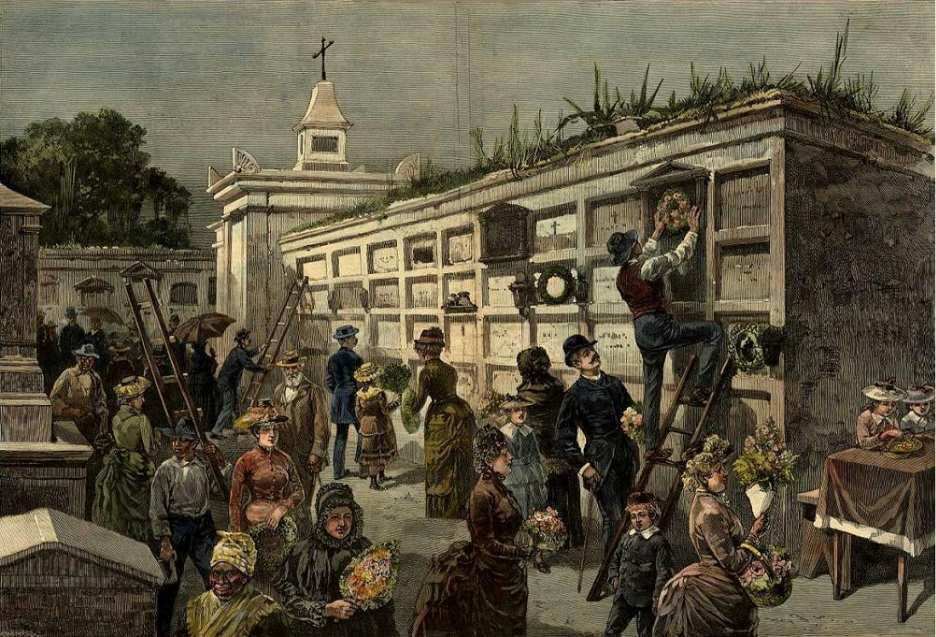
“All Saints Day in New Orleans” | Artist: John Durkin, 1885 | Source: Wikipedia
Here are a few areas where people were laid to rest even if the ground could not hold them:
Families have carved out sacred tombs for hundreds of thousands of years, even in challenging environments and difficult times.
While rituals and structures have changed, our desire to honor the dead never has. That’s because laying someone to rest with dignity – shielded from the elements and enveloped in tenderness – is an ancient, deeply human act of care.
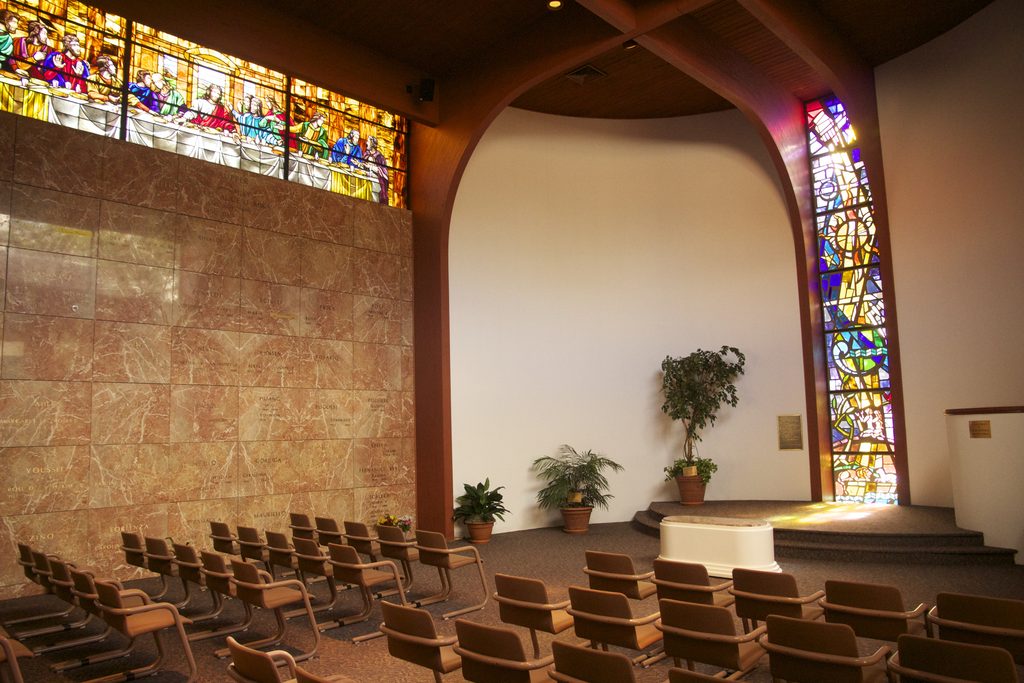
A mausoleum with an interior. | Beth Israel Cemetery (Woodbridge, NJ)
Today, mausoleums have evolved to adapt to the needs of modern people while retaining the beauty, durability, and timeless craftmanship of past monuments.
We no longer require decades of labor and thousands of workers to build a mausoleum, and present-day cemetery architects design them for prominent figures and everyday families.
Entombment is now more attainable, giving communities more options than ever before.
When someone chooses a mausoleum crypt over a burial plot, they may prefer entombment for a number of reasons: some prefer the elegant appeal and standout appearance of mausoleums, while others enjoy the minimal upkeep and ability to pay tribute without bending/crouching at a gravesite. Others simply don’t wish to be buried.
Whatever the reason, these distinguished buildings offer space to uplift memories and uphold funeral traditions.
Community mausoleums vs. family estates
Mausoleums range from large structures to more intimate estates designed for families or individuals.
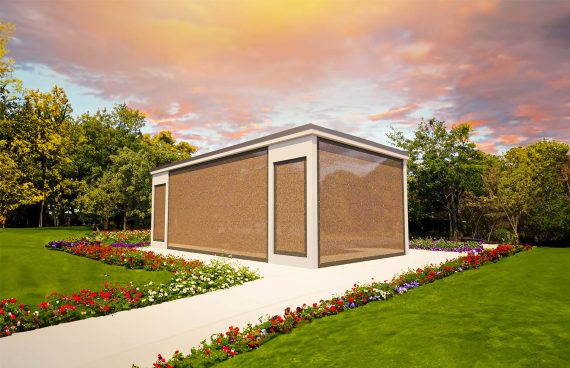
Community mausoleums have various layouts and designs; some have a climate-controlled interior, while others are fully outdoors. All mausoleums have above-ground crypts for caskets, and most have niches for urns. When Memorial Planning cemeteries open a new mausoleum, it is appointed with a name that evokes a peaceful, welcoming tone for visitors (i.e., Serenity Mausoleum, Garden of Memory Mausoleum).
Family estates are private mausoleums with premium features and customizations. Like community mausoleums, they can have an interior or be fully outdoors. These buildings usually display the family or individual’s name.
For many, choosing a mausoleum is about more than choosing an interment type; it’s about understanding your options and knowing what you want for your family and final resting place.
While great mausoleums of the past draw tourists from around the world, community mausoleums invite tribute on a smaller, more personal scale – from loving families to future generations who wish to connect with those who came before.
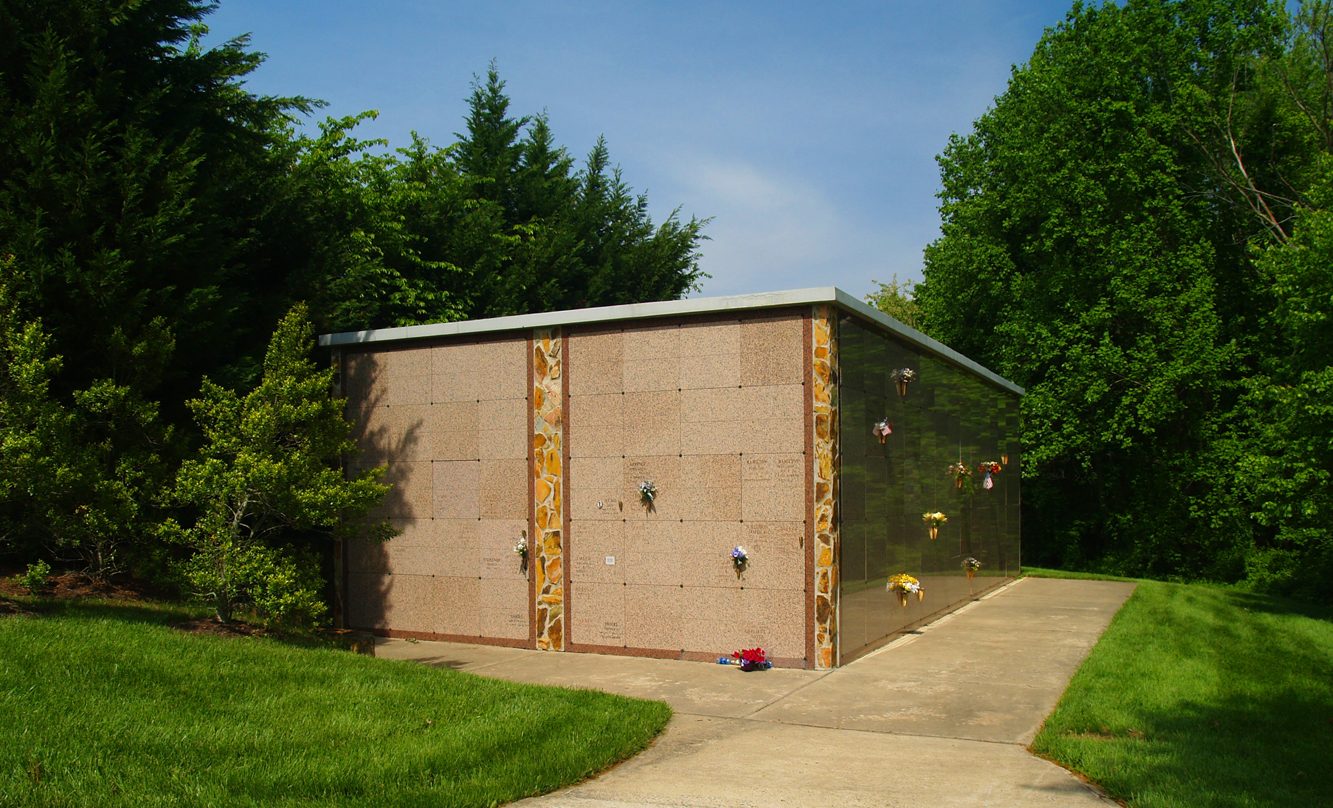
An outdoor mausoleum. | Columbia Cemetery (Clarksville, MD)
One of the most important shifts in recent years is the growing interest in planning memorial arrangements in advance.
Many families are choosing to make thoughtful decisions today to provide clarity and peace of mind for tomorrow.
Pre-construction mausoleum spaces offer a unique opportunity to:
Planning ahead prepares your family for the future, and ensures your memorial reflects your values and your story. Learn more about your options today.


