





 Map view
 Use current location

The following article discusses deathcare topics in detail
Take a moment to check in with yourself and continue only if it feels right.
See articleNeed assistance? We're always here for you.
844-808-3310
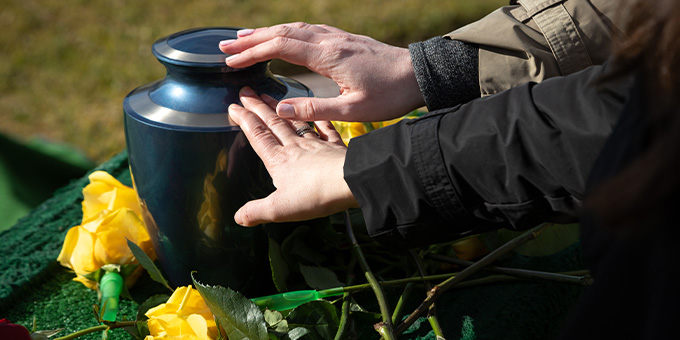
Cremation has become the most common choice for final arrangements in the United States, with more than 60% of families now choosing it over traditional burial. While every family has their own reasons for choosing cremation, they often have questions about how it works, what it costs, and what options exist for honoring a loved one afterward.
This guide provides a clear, detailed overview of cremation. From the basics of the process to types of services, cost comparisons, and frequently asked questions, it is designed to give you both knowledge and reassurance. Whether you are pre-planning your own arrangements or navigating decisions after the loss of a loved one, understanding cremation can help you make choices that feel both informed and meaningful.
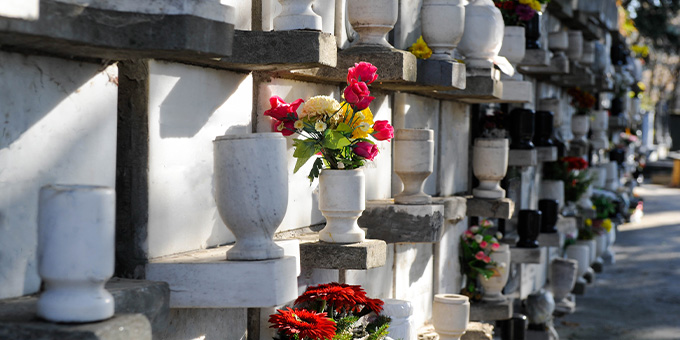
Cremation is the process of reducing a body to its basic elements through intense heat and flame. Unlike burial, which places the body in the ground or mausoleum intact, cremation transforms the body into cremated remains — often called “ashes.”
Cremation takes place in a facility called a crematory. The process involves specialized equipment that safely and respectfully carries out the procedure under strict regulation. Once complete, the remains are returned to the family in an urn or other container.
What sets cremation apart is not just the method, but the flexibility it provides. Families may hold services before or after cremation, inter in a cemetery, scatter or keep the ashes, and create keepsakes that preserve a loved one’s memory.
Types of Cremation: Direct, Traditional, and Memorial Options
Every family has unique needs, and cremation can be adapted to meet those wishes. Broadly, there are three types of cremation services :
Each approach carries its own cost considerations, level of formality, and emotional experience. Some families prioritize simplicity and affordability; others value the ability to say goodbye through time-honored traditions.

Here is a brief overview of the cremation process, with more details to follow. Experiences will vary depending on the services a family selects.
Before cremation
The funeral director will arrange transportation of the body to the funeral home or crematory. Required paperwork (including permits and next-of-kin authorization) must be completed before the process can begin. This is an important time to make any important requests for a loved one; for example, cremating the loved one with a special object, witnessing the cremation, recovery of medical implants, etc. The family may also use this time to select a casket/alternative container and an urn.
During cremation
The body is transferred to the care of crematory operators. An operator will remove any items that cannot be exposed to extreme heat before placing the casket/alternative container into the cremation machine, called a “retort”. From there, the operator uses a control panel to manage the operation.
After cremation
After cremation, the crematory operator process the cremated remains, preparing them for an urn. Once the cremation process is complete, the funeral director will notify the family and schedule a delivery or pickup for the urn.
From initial arrangements to returning the ashes, the full timeline can span several days to a few weeks, depending on scheduling, paperwork, and family preferences.
The crematory operator reviews any necessary paperwork and identification that is with the decedent. Some crematories may use a small metal dish as additional identification, and it remains with the body throughout the process.
Any items that could pose a hazard (glass and explosive objects like pacemakers, lighters, etc.) are removed. Metal handles or accessories on a casket may also be removed. Any objects loaded into the retort must be combustible (for example, if a wooden casket has metal handles, they are removed before the casket is loaded into the retort).
Modern retorts have control panels that monitor temperature, time, and gases within the furnace chamber. Once the chamber has been heated, the casket is loaded onto a lift table that allows the operator to slide the casket into the chamber.
According to the Cremation Association of North America, the retort will reach a temperature between 1400 and 1600 degrees Fahrenheit to heat the body. Depending on the height and weight of the body, cremation process may take 2-3 hours to reduce the body to skeletal remains.
Crematory operators monitor the cremation process to ensure it proceeds safely and effectively.
The science behind cremation: When organic tissues are cremated, they are converted into gas through the process of combustion. The gas byproduct flows into a secondary cremation chamber where the gases are superheated to minimize any particles and odors before they are released from a cooling chimney into the atmosphere.
Once cremation is complete, the remaining skeletal fragments are left to cool. After a cooling period, the crematory operator uses a magnet to remove any debris that may be left. Next, the operator removes the skeletal remains and places them in a cremulator, a machine designed to reduce the bone fragments to smaller particles.
After processing, cremated remains weigh 3-7 pounds on average. The operator will place the ashes in a protective bag, which will be placed in an urn or temporary container along with any other items the family may request (jewelry, a memento, etc.) into an urn or temporary container.
Families can then choose to collect the remains, have them delivered, or arrange for interment in a cemetery.
Items that can explode within the crematory, such as glass, lighters, or anything with a battery (a pacemaker, hearing aid, smartphone, etc.), are removed prior to cremation.
After cremation, medical items like orthopedic, dental, cranial, cardiac, and other metal implants often remain after the process. Crematory operators often use magnets and other tools to remove any metal that is left before collecting skeletal fragments.
Many crematories recycle metal items; families should ask their provider about their options if they wish to have an item returned. Note: It is important for family to specify if an item is to be removed prior to cremation.
Cremation reduces the body through the process of combustion (burning). According to the Cremation Association of North America, when organic matter such as tissues, organs, and body fat are exposed to high enough temperatures, they are converted into gases. These gases flow into a secondary chamber of the crematory machine where they are super-heated and converted into carbon dioxide, water, and oxygen.
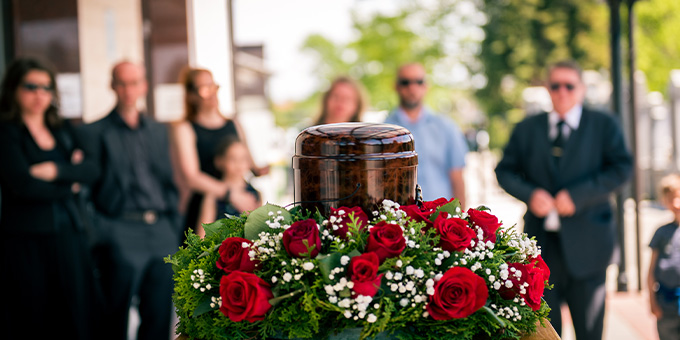
While cremation and burial are often compared as opposites, this is a misconception, because burial is a method of disposition, or laying someone to rest, while cremation is a process resulting in a final state (cremated remains).
This means even with cremation, disposition for urns can include burial or inurnment (placement in a cemetery niche/bench/etc.).
When deciding between cremation and burial, families often weigh several factors:
Ultimately, the “right” choice is the one that feels most aligned with family values, budget, and end-of-life priorities.
The actual time in the chamber is usually 2 to 3 hours, depending on body size and equipment. Additional time is needed for cooling, processing, and documentation. From initial arrangements to return of ashes, the average timeline is generally a week to two weeks.
Can I be present during the cremation?
Some crematory facilities allow a limited number of family members to witness the start of the process, either for cultural, religious, or personal reasons. It’s important to speak with your funeral director, as this option may not be available at all facilities.
Do I need to purchase a casket for cremation?
Crematory facilities typically only require a combustible container. This can be a casket or alternative cremation container.
What kind of urns are available after cremation?
Options range from simple temporary containers to decorative urns made of wood, marble, metal, or glass. There are also biodegradable urns for eco-friendly scattering or burial, and keepsake urns that hold a small portion of ashes.
What do the ashes look like after cremation?
Cremated remains are small bone fragments that can be gray, pale gray, or off-white.
How do I know if I’ve received my loved one’s ashes?
Crematories follow strict identification protocols, often using metal dishes and chain-of-custody documentation. Families can request a detailed explanation from their funeral provider.
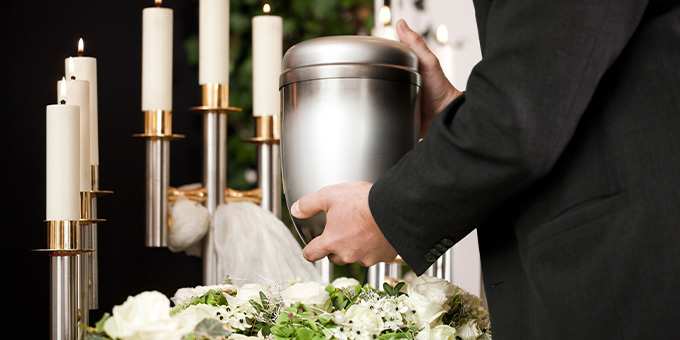
Today, families have many options for honoring a loved one after cremation. From dividing ashes to share among family to designating a place of rest where everyone can visit, there are various ways to pay tribute to one’s values or create new traditions.
Consider these options to treasure your loved one for years to come:
These options allow personalization that reflects the individuality of the person remembered.
For all end-of-life preferences, planning ahead can provide great support to your loved ones in their time of grief. By documenting wishes and securing arrangements in advance, you can ensure your preferences are honored and help your family focus on memories, rather than having to guess what you wanted.
Memorial Planning providers offer prepaid plans that lock in costs at today’s rates. That means when the time comes, your arrangements will be taken care of, and your family won’t need to make purchases with the inflated pricing that can affect future costs.
Reach out to a location near you to tailor your plan to your wishes.
Honoring pets after they have passed is a time-honored tradition, one that stretches back thousands of years. From ancient Egyptians mummifying their cats to Victorian era headstones dedicated to family dogs, people have memorialized their love for their pet friends in various ways.
Today, many families choose cremation for their pets, accepting it as a dignified and respectful way to say goodbye. The process is very similar to human cremation, with options ranging from private cremation (where only one pet is cremated and the remains are returned) to communal cremation (where multiple pets are cremated together and the ashes are not returned).
Families can receive their pet’s ashes in an urn, keepsake, or scattering container, creating opportunities for memorialization that honor the deep bond shared with animals.
Some cemeteries have a pet section, allowing families to mark the lives of their beloved pets and celebrate their memory for years to come.
Contact your nearest Memorial Planning provider to see what kind of pet services they have available.
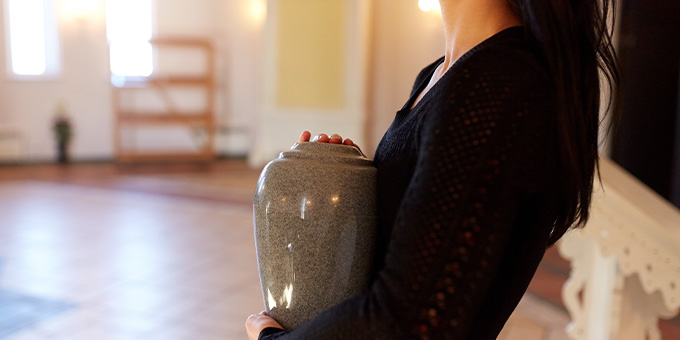
Cremation is no longer an uncommon choice; it is now the majority preference in America, and its role in memorial traditions continues to expand. By understanding the process, the types of services available, and the many options afterward, families can make informed decisions that best meet their needs.
Whether chosen for practicality, philosophy, or tradition, cremation offers families a way to create lasting, meaningful tributes that honor life in ways as unique as the individual remembered.